
A Guide for Ranch Buyers in Colorado:
For Colorado ranch buyers, the Landowner Preference Program (LPP) transforms deeded acres from mere agricultural assets into reliable gateways for coveted big-game hunting tags. Especially in limited-license units where public draw odds can stretch 20+ years
This guide demystifies LPP eligibility, mechanics, benefits, and pitfalls through targeted FAQs, drawing from real-world ranch transactions and CPW regulations to equip buyers with the knowledge needed to evaluate, negotiate, and maximize this critical value-add
Whether assessing trophy potential, structuring due diligence, or projecting long-term stewardship, understanding LPP separates premium properties from the rest
Read on to learn more:
FAQ’s
Colorado landowner preference program basics:
- What is Colorado’s Landowner Preference Program (LPP), and what is it designed to do for landowners and hunters?
- The Colorado Landowner Preference Program (LPP) is designed to reward landowners who actively maintain agricultural operations and provide habitat for wildlife. The program gives qualifying landowners improved opportunities to draw hunting licenses, especially for highly sought-after, hard-to-draw big game tags
- If you own at least 160 contiguous acres of land classified under agricultural status, you may be eligible to receive preference in license draws. This allows you to potentially secure several tags, which can be used either for hunting on your own property or on nearby public lands within the same game management unit
- The goal of the LPP is to support responsible land stewardship while giving landowners a fair opportunity to benefit from the wildlife resources their properties help sustain
- What does “landowner preference” or “landowner vouchers” actually mean for a Colorado ranch owner in a limited license unit?
- For a Colorado ranch owner in a limited license unit, “landowner preference” or “landowner vouchers” mean you have a much better chance of drawing hard-to-get hunting tags. In these limited units, some tags; especially in trophy or premier areas can take 20 years or more to draw through the regular system
- Through the Landowner Preference Program, however, you can potentially draw these coveted tags simply by owning qualifying land within the unit, giving you the opportunity to hunt on your own ranch or nearby public lands much sooner
- Why does Colorado give qualifying private landowners a share of big‑game license quota, and how does that support wildlife habitat and hunter access on private land?
- Colorado allocates a portion of big-game hunting licenses to qualifying private landowners because much of the state’s wildlife, especially during winter, resides on private property. Many ranchers, for example, support large herds of elk or deer that feed on their crops and hay through the colder months
- The Landowner Preference Program helps offset those impacts by allowing landowners to draw hunting tags, or sell those tags to help recover some of the costs of providing food and habitat for wildlife. In this way, the program encourages good land stewardship while maintaining vital habitat and preserving hunter access opportunities
- How does Colorado’s LPP help distribute hunting pressure between private and public lands, and what does that mean for a buyer focused on long‑term herd health?
- Colorado’s Landowner Preference Program (LPP) helps maintain a balance between public and private land hunting opportunities. Through the program, qualifying landowners can draw either a unit-wide tag, which allows hunting on both public and private lands within that unit, or a private-land-only permit reserved for use on their own property
- This system ensures fair access for public hunters while recognizing and rewarding landowners who provide critical wildlife habitat on their land
- How can participation in the LPP increase the utility and enjoyment of a Colorado ranch for the owner, their family, and guests (e.g., more reliable elk, deer, or pronghorn hunting on deeded ground)?
- Participating in Colorado’s Landowner Preference Program (LPP) can greatly enhance the experience of owning a ranch by improving both herd management and hunting opportunities. It’s almost like having your own “unit within a unit”
- With the ability to draw tags and hunt on your own property, you can manage herd numbers more effectively and allow animals to reach greater maturity. Resulting in healthier wildlife populations and more rewarding hunts for you, your family, and your guests
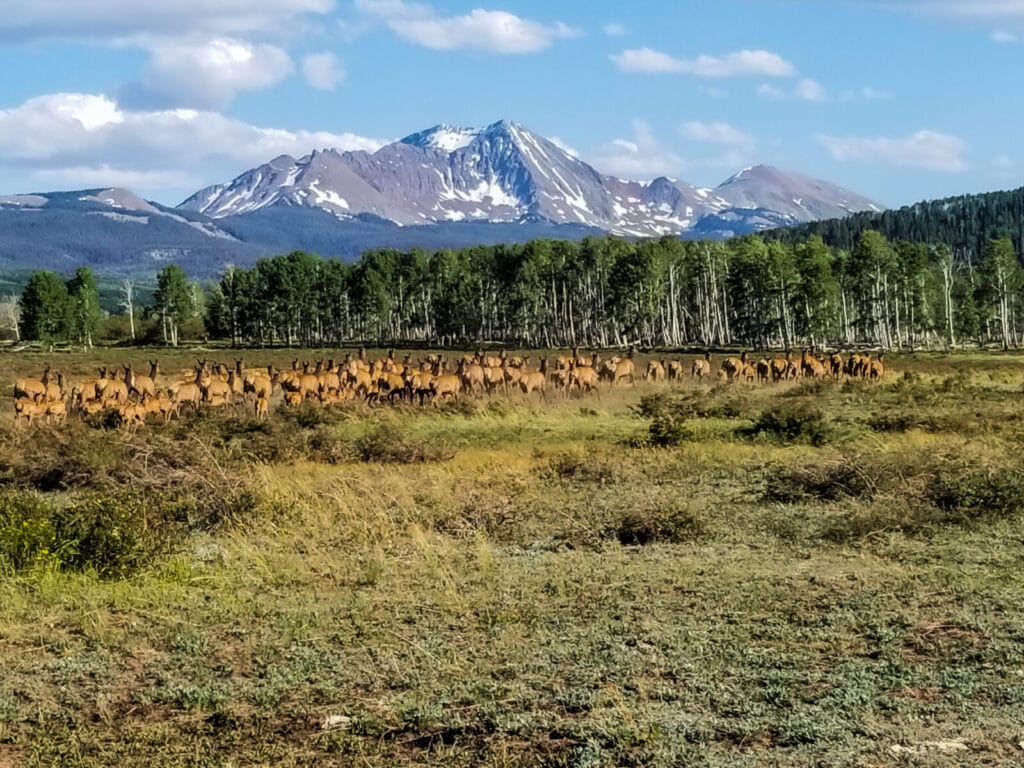
“Healthier wildlife populations and more rewarding hunts for you, your family, and your guests”
The Key Concepts
Licenses, tags, vouchers, and private‑land‑only (PLO) licenses:
- What is the difference in Colorado between: a standard big‑game license drawn through the public system, an LPP voucher issued to a qualifying landowner, and a landowner voucher that is restricted to Private‑Land‑Only (PLO) use?
- Through the regular draw system, it can take many years to secure some of these highly sought-after tags. One key advantage of the Landowner Preference Program is that it allows you to apply for either private-land-only tags or unit-wide tags, giving you more flexibility and opportunity to hunt on your own property or throughout the broader unit
- How does a landowner voucher turn into an actual hunting license, and who can redeem it?
- Landowner vouchers are issued through the normal license draw process. Qualifying landowners are allocated up to 15% of the tags available within their game management unit. Once a voucher is awarded, it can be redeemed through Colorado Parks and Wildlife (CPW) or any authorized license vendor to obtain the actual hunting license
- The voucher can be used by the landowner or transferred to another individual, depending on the specific rules for that unit and tag type
- Under what conditions can a Colorado landowner voucher be transferred or sold, and when are they limited to transfer only to immediate family members or youth hunters?
- As a designated ranch manager or landowner, you can sell or transfer the tags that are allocated through the Landowner Preference Program. However, this process changed about six years ago after tag brokering and inflated resale prices became a major concern
- The updated rules were put in place to ensure fairness and keep tag sales aligned with responsible wildlife management rather than profit-driven reselling
- From a buyer’s perspective, how do landowner vouchers differ from simply applying in the general draw in terms of odds, flexibility, and the ability to host family or paying hunters?
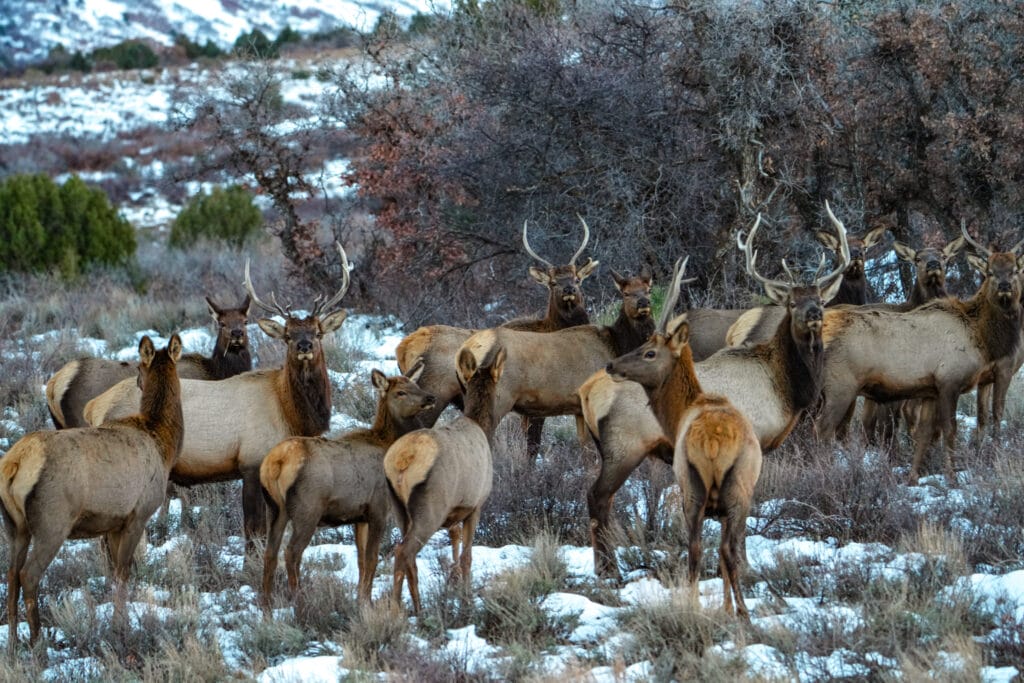
- From a buyer’s perspective, landowner vouchers offer a major advantage over the general draw in terms of odds and flexibility. For example, in a premier unit like Unit 66, a qualified landowner can typically draw a tag every year, whereas a non‑resident applying through the general draw might wait 20 years or more for the same opportunity
- Landowner vouchers also allow owners to keep landowner tags for themselves, share them with family, or sell them to paying hunters… making ranch ownership both more flexible and potentially more rewarding
Eligibility fundamentals in Colorado (acres, habitat, and GMU):
- How many acres does a buyer typically need for LPP eligibility in Colorado, and what does “160 contiguous acres of private agricultural land” mean in practice?
- For LPP eligibility in Colorado, a buyer typically needs at least 160 contiguous acres of private agricultural land within a specific game management unit. In practice, “160 contiguous acres” means one connected block of deeded ground (not scattered parcels) that is primarily used for agriculture (*such as grazing, hay, or crop production), and that lies inside the unit where you want to apply for landowner preference tags
- On 160–639 acres, an owner generally receives one LPP application per species, and that single application can potentially result in multiple tags, depending on the species, unit, and quota for that year
- Why must the land be primarily used for agricultural purposes and provide habitat for the big‑game species (deer, elk, pronghorn) the landowner is applying to hunt?
- The land must be primarily agricultural and provide habitat for the big‑game species being applied for because the program is designed as an incentive for landowners who “carry” much of the herd, especially in winter
- How does the presence of suitable, regularly used habitat for elk, deer, or pronghorn on a ranch affect eligibility and the practical value of any vouchers that might be issued?
- Having suitable, consistently used habitat on a ranch (*such as winter range, calving areas, or key forage fields), directly affects eligibility and how valuable the program is in practice
- When wildlife has a tangible economic value through landowner preference opportunities, owners have a reason to tolerate crop damage, invest in habitat, and manage animals legally instead of viewing elk or deer purely as a liability
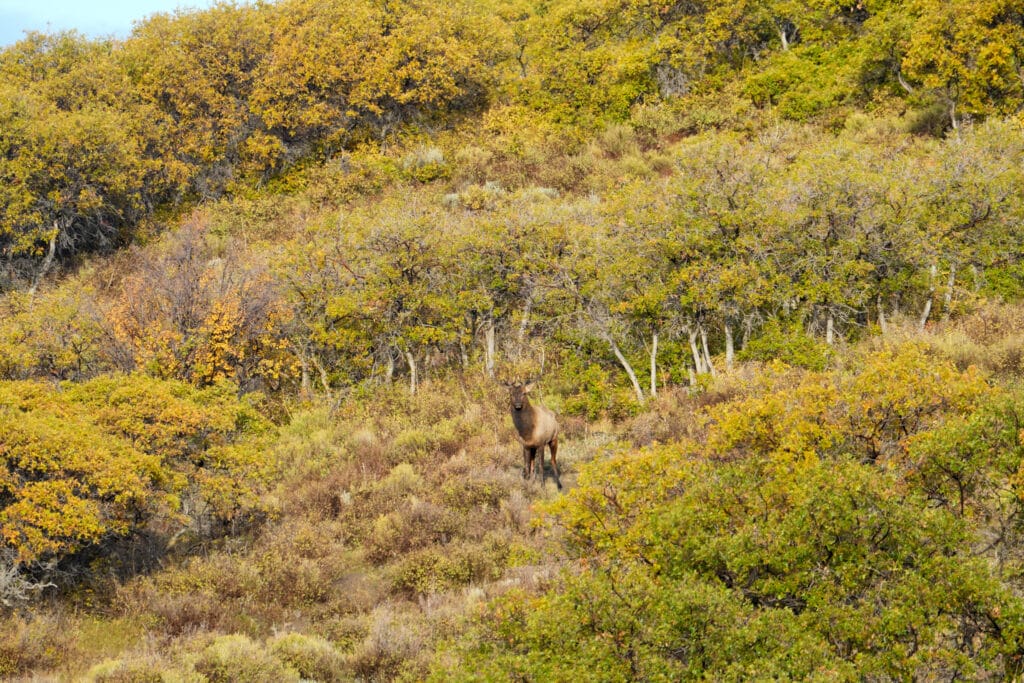
“making ranch ownership both more flexible and potentially more rewarding”
Need to Knows
Rules: who qualifies and for what
- Who qualifies as a “landowner” under Colorado’s LPP (e.g. individual names on a recorded deed, corporations, LLCs, partnerships), and who can sign the registration?
- Under Colorado’s LPP, a qualifying “landowner” is the legal owner of at least 160 contiguous acres of private land that is in agricultural status within a game management unit, regardless of whether title is held in an individual’s name, a corporation, an LLC, a trust, or a partnership
- The key requirements are that the ownership is recorded on a deed, the acreage is contiguous (one connected block, not scattered parcels), and the land meets Colorado’s agricultural use and habitat criteria; the person who signs the LPP registration must be an authorized signatory for that ownership entity (for example, the individual owner, a corporate officer, managing member of an LLC, or a duly authorized partner or trustee
- Which big‑game species are available through LPP (deer, elk, pronghorn and certain others, but not moose or Rocky Mountain bighorn sheep), and in what types of limited license GMUs is landowner preference most impactful for ranch buyers?
- LPP licenses are available for deer, elk, and pronghorn, and in some cases certain additional big‑game species, but they are not issued for moose or Rocky Mountain bighorn sheep
- The program is most impactful for ranch buyers in limited license game management units where tags can be very hard to draw, especially for high‑demand mule deer and elk units
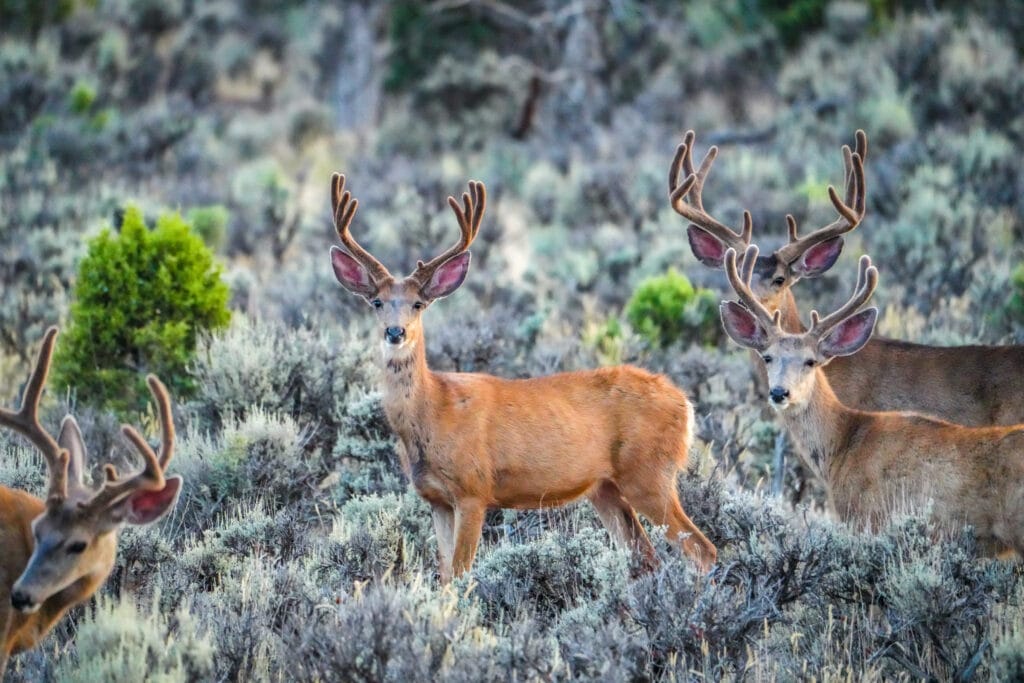
“Everyone qualifies as long as it’s a Contiguous 160 acres under AG status, it doesn’t matter if you hold title as an individual or corporation”
How the registration, the draw, and the vouchers work
- How does a Colorado ranch buyer (or new owner) register eligible deeded land in the LPP, and what information must be submitted to CPW?
- A Colorado ranch buyer registers eligible deeded land in the LPP by submitting a landowner registration to Colorado Parks and Wildlife (CPW) before December 1 for participation in the following year’s draw
- This registration links the recorded deeded acreage (at least 160 contiguous agricultural acres in a given GMU) to the landowner account so that applications for vouchers can be made during the regular big‑game application period; once registered, the landowner then applies for LPP vouchers at the same time the general public applies for licenses, with up to 15% of the unit’s quota reserved for qualifying landowners
- The draw for these tags is at the same time as the general population draw
- What are the key LPP deadlines a buyer should be aware of, including the December 1 deadline to register land for the following year’s draw and the March 1(*early April window to apply for vouchers)?
- The key LPP deadlines a buyer should focus on are:
- December 1st deadline to enroll/register eligible property for the next year’s draw
- Roughly March 1 to early April: the standard Colorado big‑game application window, when landowners submit their LPP voucher applications at the same time as the general draw
- The key LPP deadlines a buyer should focus on are:
- How is the number of LPP applications a landowner can submit tied to total qualifying deeded acres, and how does this scale from small (160–639 acres) to very large ranches?
- The number of LPP applications a landowner can submit is tiered based on total qualifying deeded acres in a single GMU. From 160 to 639 acres, an owner typically receives one landowner application for a given species, and as acreage increases beyond that, the number of applications scales up in set brackets, allowing very large ranches to submit multiple applications and potentially secure more tags
- But buyers should be aware that splitting a single ranch into multiple small ownership entities solely to generate extra landowner applications… is closely scrutinized by CPW
- How does the allocation of up to 15% of the general public quota (and additional PLO quota in some units east of I‑25) to landowners work in practice, and why are applications not guaranteed to result in a license?
- In practice, landowners are eligible for up to 15% of the unit’s public quota (and, in some eastern units, an additional pool of private‑land‑only tags), but those licenses are still issued through a draw system
- An application is never a guarantee of a license; it simply gives the landowner access to a separate preference pool, with better odds in many units, while still respecting overall herd objectives. Preference points and draw odds still apply, so a landowner can continue to build points if not drawn
- What expectations should a buyer have around drawing success in premium units versus mid‑tier units, even with LPP participation?
- Expectations around drawing success vary significantly by unit and season, even under the LPP. In many mid‑tier or moderate‑demand units, a qualified landowner might draw second‑season rifle or similar tags on a frequent or near‑annual basis, making hunting on deeded ground quite reliable
- In high‑demand, premium units or for late‑season (third and fourth season) trophy hunts… tags may still require multiple points and are never guaranteed, but landowner preference generally improves odds compared with applying only in the standard public draw
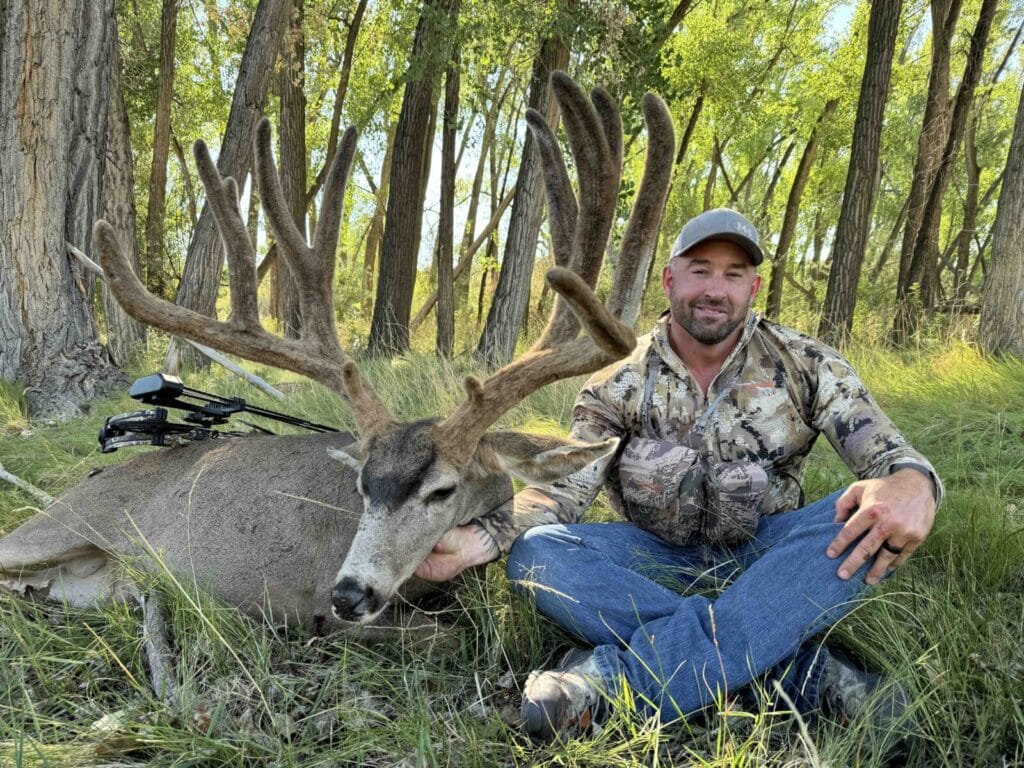
Transfer, use, and potential monetization:
- Under current Colorado rules, when may a landowner voucher be transferred to another hunter, and when is transfer more restricted?
- Under current Colorado rules, a landowner voucher may generally be transferred by the landowner or designated land manager directly to any eligible hunter, and this can occur at any time before the license is redeemed, with the transfer happening when the hunter’s name is written on the voucher or it is handed/mailed to them
- Transfer is more restricted for certain Private-Land-Only (PLO) vouchers in specific units or quota pools, which may only be transferred to immediate family members (such as spouse, parents, children, siblings, including in-laws and step-relations) or youth hunters aged 12–17, regardless of family ties
- What does it mean that transferring a voucher also conveys permission to hunt all of the registered land for the full season associated with that license, and how should ranch owners manage access and liability around that requirement?
- Transferring a voucher conveys automatic permission for the hunter to access and hunt all of the registered deeded land for the full duration of the associated season, and landowners cannot impose additional restrictions beyond reasonable manner-of-access rules (e.g., foot, horse, or vehicle) needed to protect the property
- Ranch owners should manage access and liability by clearly communicating rules upfront, using signage or maps for boundaries, requiring hunters to check in/out, and considering liability waivers or insurance riders specific to hunting activities, as the state-mandated permission helps prevent trespass disputes but does not absolve owners of standard landowner responsibilities
- How do experienced Colorado ranch families typically allocate LPP related opportunities between owners, family, guests, and guided hunters while staying within CPW rules and maintaining good neighbor relationships?
- Experienced Colorado ranch families typically allocate LPP opportunities through structured rotations among family branches or members to ensure equitable use. While reserving some tags for personal or guest hunts and offering others to guided hunters or outfitters for additional revenue. All while adhering to CPW’s one-time transfer rule and avoiding any brokering for profit
- Large family operations or corporations might lease hunting rights bundled with tags annually as a steady income stream, balancing this with good neighbor relations by coordinating access schedules, limiting party sizes, and maintaining communication with adjacent public-land users to minimize conflicts
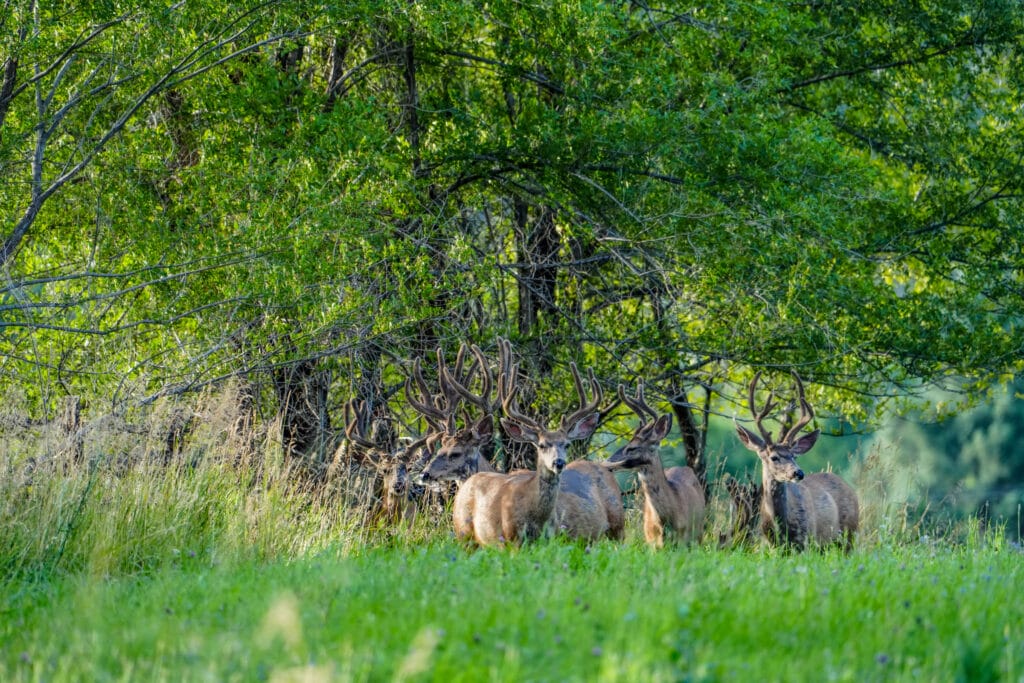
Compliance, risk, and penalties:
- What are common mistakes or violations in Colorado’s LPP, that can result in vouchers being voided or a landowner being disqualified?
- Common mistakes in Colorado’s LPP that can lead to vouchers being voided or disqualified include:
- Transferring property title (which immediately voids all associated tags and vouchers)
- Failing to transfer vouchers directly from the landowner to the hunter (no third-party brokers or intermediaries allowed, though guides may pick up for clients if properly authorized)
- Misrepresenting acreage or agricultural status
- Restricting hunter access beyond basic property protection rules. All transfers must go straight from the landowner or designated manager to the end hunter, and any title change resets eligibility until re-registration
- Common mistakes in Colorado’s LPP that can lead to vouchers being voided or disqualified include:
- What documentation, record‑keeping, and internal controls should a serious ranch owner maintain, to demonstrate ongoing compliance if CPW audits the property?
- Serious ranch owners should maintain detailed records like:
- Harvest reports
- Chronic Wasting Disease (CWD) test results
- Maps of registered parcels with access points
- Hunter check-in/out logs
- Lease or transfer agreements showing direct handoffs
- Photos or affidavits confirming ongoing agricultural use and wildlife habitat
- Ownership/deed documents to prove contiguous acreage
- These records demonstrate compliance during CPW audits, help track tag usage, and protect against disputes over access or eligibility
- Serious ranch owners should maintain detailed records like:

How Colorado’s LPP affects ranch values and pricing
Translating LPP opportunity into value:
- In real Colorado transactions, how have strong LPP eligibility and a consistent history of landowner vouchers influenced; list prices, buyer competition, and final sale prices for comparable ranches?
- In real Colorado ranch transactions, strong LPP eligibility and a documented history of consistent landowner vouchers significantly:
- Boost list prices (often by 10–20% or more for comparable properties)
- Heighten buyer competition (drawing serious hunters and legacy buyers who prioritize deeded hunting access)
- Drive up final sale prices by showcasing tangible, recurring value through wildlife harvest records and tag success rates
- Everyone wants the ability to hunt their own land reliably, and brokers who present verified LPP performance data, such as multi-year voucher draws and trophy potential make properties stand out, justifying premium pricing in competitive markets
- In real Colorado ranch transactions, strong LPP eligibility and a documented history of consistent landowner vouchers significantly:
- How does a disciplined broker help buyers separate durable, regulation‑backed LPP benefits from speculative assumptions about ever‑increasing tag value or draw odds?
- A disciplined broker helps buyers distinguish durable LPP benefits (like guaranteed access to 15% quota pools and private-land-only tags on verified agricultural acres) from speculation (such as assuming endless tag value growth or unchanging draw odds) by providing unit-specific CPW quota histories, long-term harvest trends, and regulation summaries rather than hype
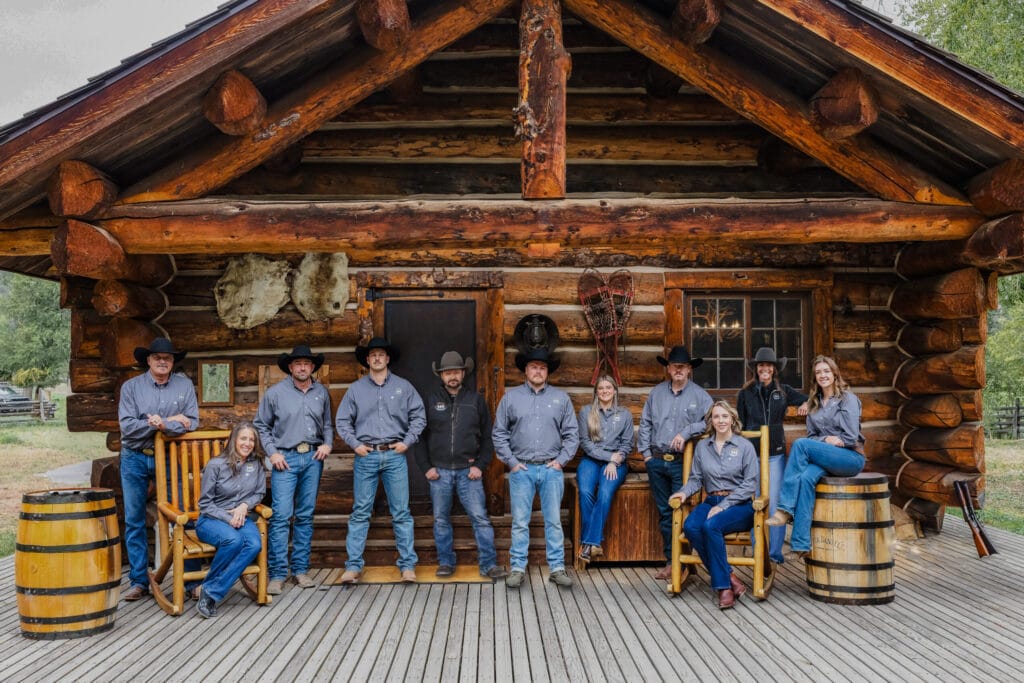
“Deep knowledge of both the game management unit’s biology and the ranch’s habitat quality, allows the broker to ground expectations in verifiable data”
Legal, ethical, and regulatory guardrails in Colorado
Working with regulations and professionals:
- At what value or complexity level is it essential to involve wildlife‑savvy attorneys, CPW personnel, and qualified wildlife biologists during due diligence on a Colorado hunting ranch?
- Involving wildlife-savvy attorneys, CPW personnel, and qualified wildlife biologists becomes essential during due diligence on Colorado hunting ranches priced above $2–5 million or exceeding 1,000 acres with significant LPP reliance. Particularly when verifying contiguous ag parcels, historical tag performance, or complex ownership structures like LLCs or family trusts
- Knowledge is power in this business: consulting local CPW officers provides unit-specific quota stats and compliance history, while biologists assess actual habitat quality and herd carrying capacity beyond paper eligibility. Attorneys ensure title transfers won’t void tags and navigate any lease or access restrictions, preventing costly post-purchase surprises
Ethical use of Colorado’s LPP:
- How can a Colorado landowner structure guest and paid hunter use under LPP, in a way that supports CPW herd objectives, reduces conflict with neighbors, and contributes to a healthy hunting culture in the unit?
- Colorado landowners can structure guest and paid hunter use under LPP by developing clear access protocols, such as hunter check-in systems, party size limits, and scheduled rotations that prioritize high-quality experiences over maximum harvest
- Aligning harvest goals with CPW’s unit-specific herd objectives, through pre-season consultations and data sharing ensures sustainable management, while coordinating with neighbors via joint access agreements or shared trail systems reduces conflicts and fosters unit-wide herd health
- What are best practices for avoiding “harboring” behavior, respecting public hunters and adjoining public‑land access, and aligning harvest levels with local wildlife conditions?
- Best practices for avoiding “harboring”, include;
- Maintaining prominent boundary fencing and signage
- Good fences truly make good neighbors, especially adjacent to public lands
- Proactively working with public hunters (e.g., allowing retrieval of wounded animals that cross fences)
- Setting conservative harvest quotas based on annual wildlife surveys rather than maxing out tags
- Maintaining prominent boundary fencing and signage
- Transparent communication about boundaries and shared goals also builds trust, supports mature herd development, and upholds ethical hunting culture
- Best practices for avoiding “harboring”, include;
- In what ways can thoughtful use of the LPP, enhance the long‑term reputation and value of a Colorado ranch?
- Thoughtful LPP use elevates a ranch’s reputation and value through;
- Documented habitat enhancements (like water developments or forage improvements)
- Structured reporting to CPW
- Multi-year harvest/photo logs showcasing trophy potential
- For example, one ranch with 10 years of verified harvest success and wildlife imagery achieved the region’s highest price per acre, as the diligence proved its standout quality and long-term stewardship to buyers
- Thoughtful LPP use elevates a ranch’s reputation and value through;
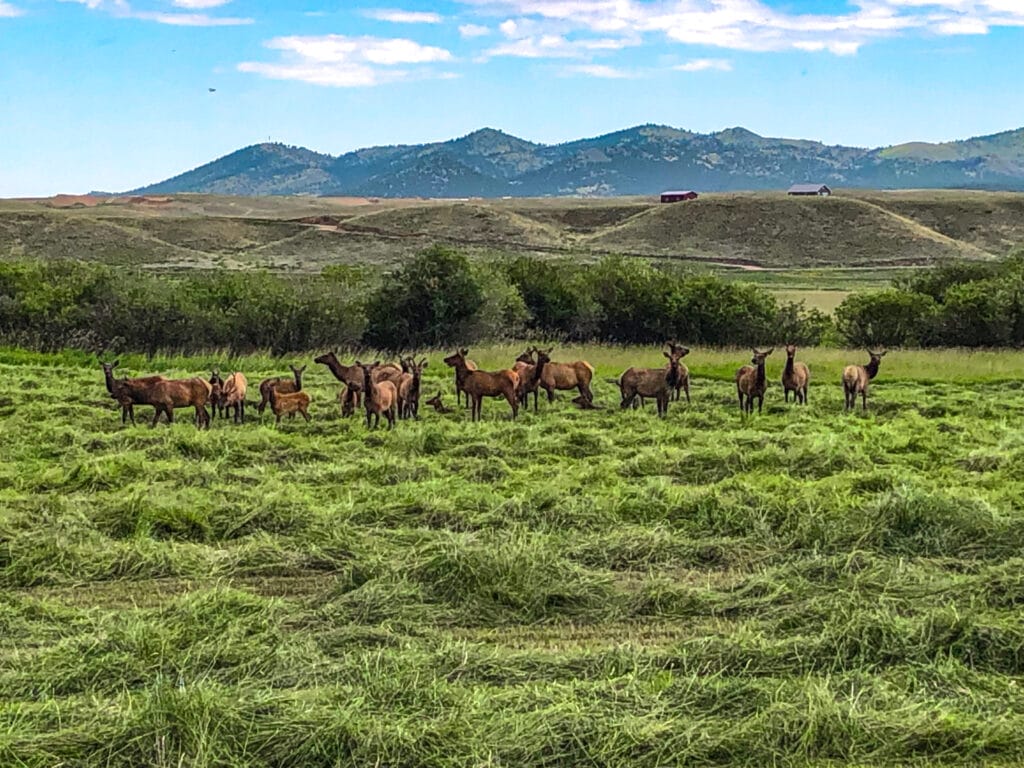
“We all have the same goal of building habitat and building a strong, mature herd”
Buyer due diligence checklist for Colorado’s LPP
Questions to ask in a Colorado transaction:
- Can the seller or broker provide a 3–5‑year history of LPP registrations and vouchers associated with this property, broken down by species, GMU, and voucher type (general vs Private‑Land‑Only)?
- Sellers or brokers should provide a 3–5-year history of LPP registrations and vouchers for the property, ideally broken down by species (e.g., elk, deer, pronghorn), game management unit (GMU), and voucher type (unit-wide/general vs. Private-Land-Only), as this demonstrates reliable eligibility and draw success to serious buyers
- Such records are often obtained via CPW’s customer portal or direct requests to the local wildlife officer
- Has this property, its current owner, or any associated legal entity ever faced warnings, investigations, or disqualification under Colorado’s LPP or related wildlife regulations?
- Buyers should confirm whether the property, current owner, or any associated legal entity has faced CPW warnings, investigations, or disqualifications under LPP or wildlife rules, as violations like improper transfers or falsified ag status can taint future eligibility
- Using the property’s CPW Land ID during due diligence reveals compliance history, ensuring all past transfers and harvests were legal and direct from landowner to hunter
- How exactly is the acreage configured (contiguous deeded blocks, irrigated and dryland ag, CRP, grazing leases), and how might boundary changes, splits, or entity restructuring affect LPP eligibility going forward?
- The acreage configuration must detail contiguous deeded blocks (e.g., irrigated cropland, dryland pasture, CRP enrollment, or grazing leases), as Colorado requires one unbroken 160+ acre parcel without roads splitting it, plus verified ag tax status… unlike states like New Mexico that inspect wildlife presence.
- Boundary adjustments, parcel splits, or entity restructurings can jeopardize eligibility unless re-registered by December 1, potentially voiding tags mid-season
Documents and data to collect:
- Which deeds, entity documents, CPW LPP registration confirmations, GMU maps, and prior application records should a buyer assemble before removing contingencies?
- It really depends on the ranch, for example:
- Current recorded deeds showing contiguous 160+ acre blocks
- Entity documents (e.g., LLC operating agreements, corporate resolutions, or trust certificates)
- Naming authorized LPP signatories
- CPW LPP registration confirmations with Land IDs
- GMU boundary maps overlaid with parcel boundaries
- Prior 3–5 years of application records including voucher draws by species and type
- It really depends on the ranch, for example:
- What evidence of habitat quality and wildlife use, should a buyer expect on a ranch being marketed as a premier LPP‑eligible hunting property?
- On a ranch marketed as premier LPP-eligible, buyers should expect evidence like;
- Multi-year harvest records (species, ages, scores)
- Trail camera photos or videography documenting regular wildlife use (*trophy potential)
- CPW biologist comments or survey notes
- Records of habitat projects (e.g., guzzlers, fencing, or forage enhancements) to substantiate trophy potential and ongoing eligibility
- On a ranch marketed as premier LPP-eligible, buyers should expect evidence like;
- How should buyers organize this information so that attorneys, CPAs, and wildlife advisors can efficiently evaluate both compliance risk and long‑term hunting potential in Colorado?
- Buyers can organize this into a digital data room with indexed folders;
- Compliance (deeds, ag tax schedules, CPW confirmations)
- Performance (harvest logs, photos, draw history)
- Habitat (project receipts, agency correspondence)
- Enabling attorneys, CPAs, and wildlife advisors to quickly assess risks like title voids or ag requalification while quantifying recreational value as a distinct revenue stream that sets the ranch apart
- Buyers can organize this into a digital data room with indexed folders;
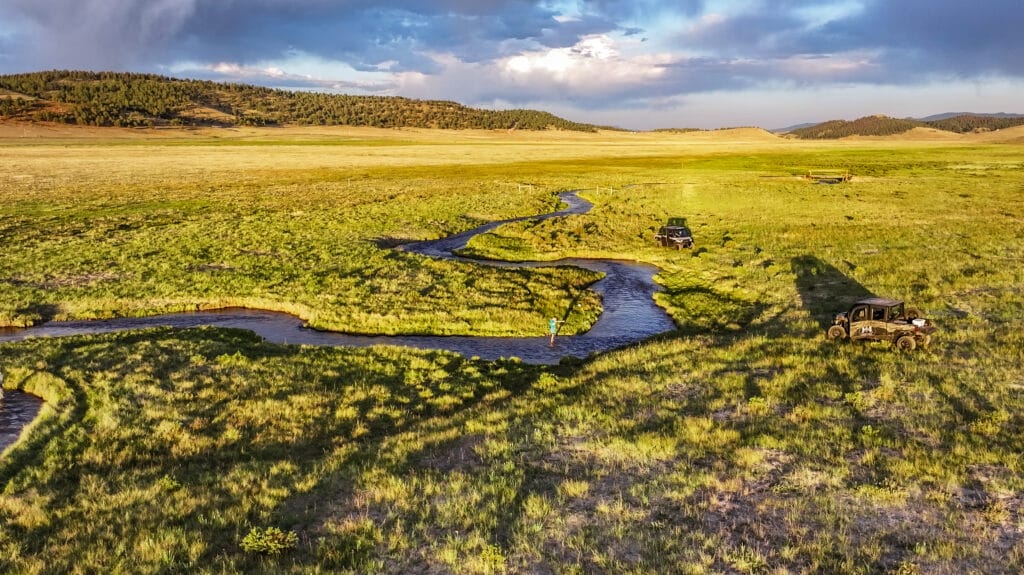
“Good documentation helps, especially when your trying to capture value… It is so important to show the recreational value, how your ranch is set apart and also the value add”
Why Work with an ‘expert Colorado ranch broker’?
Strategy, negotiation, and long‑term planning:
- What does responsible coaching look like when helping a buyer think 10–20 years ahead about CPW policy shifts, herd management goals, climate impacts, and eventual resale value?
- Responsible coaching involves guiding buyers through 10–20-year scenarios like potential CPW quota adjustments for herd objectives, climate-driven shifts in winter range, or policy tweaks favoring habitat incentives. Using historical unit data to stress-test resale value and align purchases with legacy goals like conservation easements that preserve both ranch operations and wildlife access
- This is a game changer when you can see and preserve your land and the wildlife to align with your goals
- Responsible coaching involves guiding buyers through 10–20-year scenarios like potential CPW quota adjustments for herd objectives, climate-driven shifts in winter range, or policy tweaks favoring habitat incentives. Using historical unit data to stress-test resale value and align purchases with legacy goals like conservation easements that preserve both ranch operations and wildlife access
- How does the broker coordinate with lenders, appraisers, and ranch managers to ensure the hunting component, especially the LPP‑driven opportunity?
- Brokers coordinate with lenders and appraisers by providing a dedicated LPP valuation package;
- Harvest logs
- Biologist reports
- Quota projections
- To quantify the hunting component separately from ag or grazing income, while working with ranch managers to confirm operational integration (e.g., access protocols, and habitat maintenance)… so the full recreational value is accurately captured and documented in appraisals
- Brokers coordinate with lenders and appraisers by providing a dedicated LPP valuation package;

“This is a game changer when you can see and preserve your land and the wildlife… to align with your goals”
Author: Seth Craft
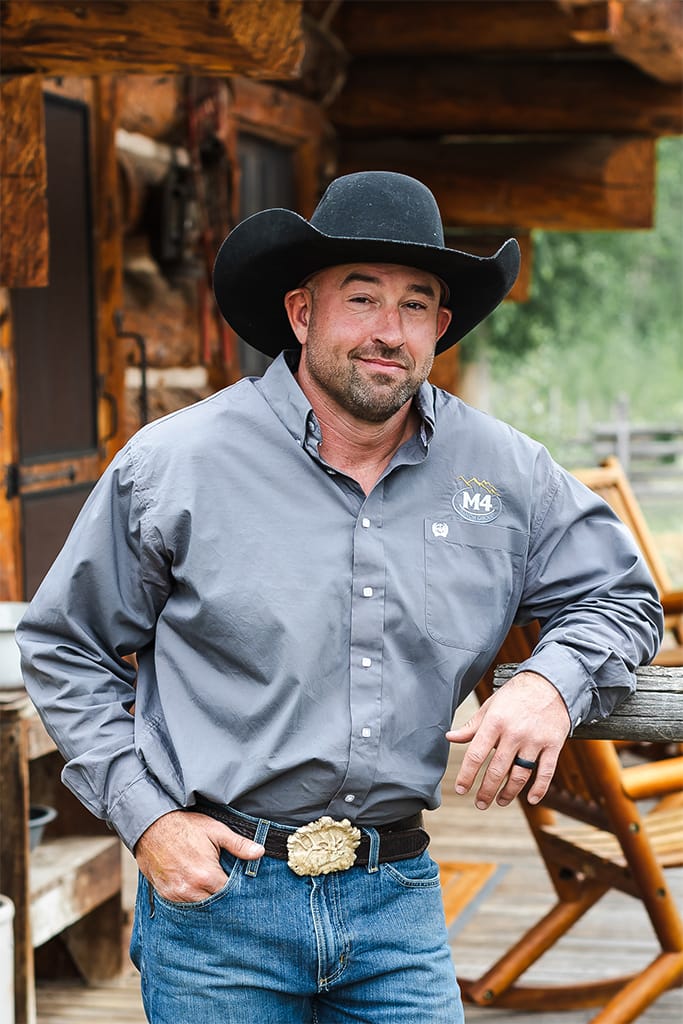
Seth grew up chasing elk and deer in the Cascades of Oregon. A hugely accomplished big game hunter, Seth has a passion for sheep, mule deer, and elk. A Colorado guide for Mossback Outfitters, he knows big deer and spends a lot of the fall searching for Monster Mule Deer.
In early 2000 he joined the Marine Corps at an early age of 17 and finished out the remainder of his time in a Close Quarter Battle team. Seth also worked as a Lineman for thirteen years, part of that time was spent doing storm work along the west coast.
He has become one of the top producers of premier properties in Colorado, Wyoming, and New Mexico. Recognized multiple times by the REALTORS Land Institute (RLI), the leading association for the land industry. Seth’s recognitions include being among the top 5% in production for land REALTORS across the entire country with an average of 50 premier ranch sales a year for the last 4 years. Most recently, Seth was recognized as a Top 20 National Producer, as well as, Region 6 (AZ, CO, NM, UT, WY) Broker of the Year in Recreational Land Sales. Seth serves on the Future Leaders Committee for RLI.
Expert Advice from M4 Ranch Group
Seth and the M4 Ranch Group, specialize in helping buyers find and purchase ranches, recreational properties, and investment land across the Rocky Mountains.
View our Colorado Ranches For Sale, New Mexico Ranches For Sale and Wyoming Ranches For Sale
And Contact Us to Learn More
A Sample of Ranches For Sale
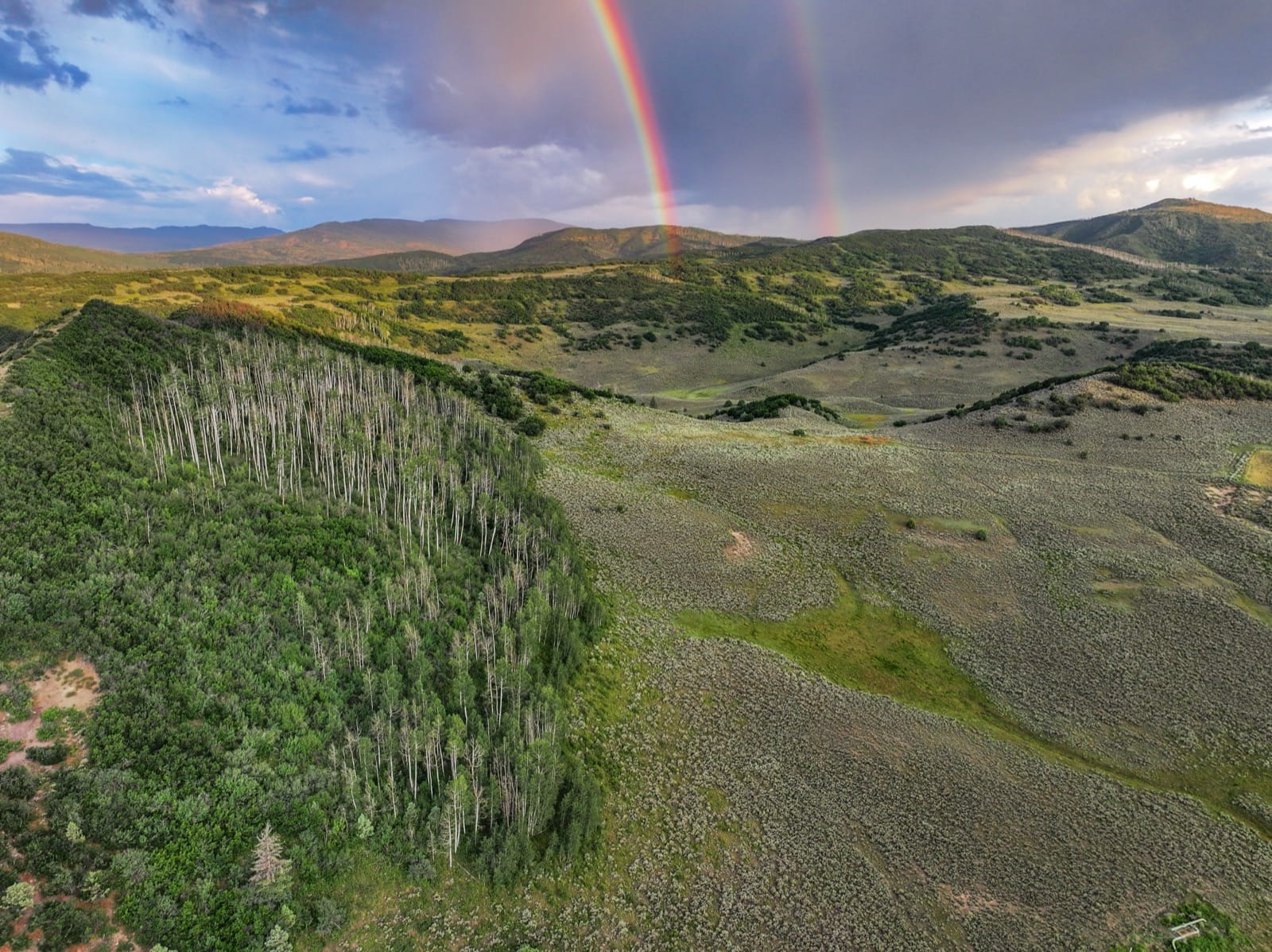
Thundering Hooves Ranch
$21,900,000
Thundering Hooves Ranch is a remarkable property spanning 5,709.3± deeded acres. With an extensive water supply, diverse wildlife, and direct access to public lands, this property offers a rare opportunity for hunters and ranchers alike.
RMR Ranch
$16,950,000
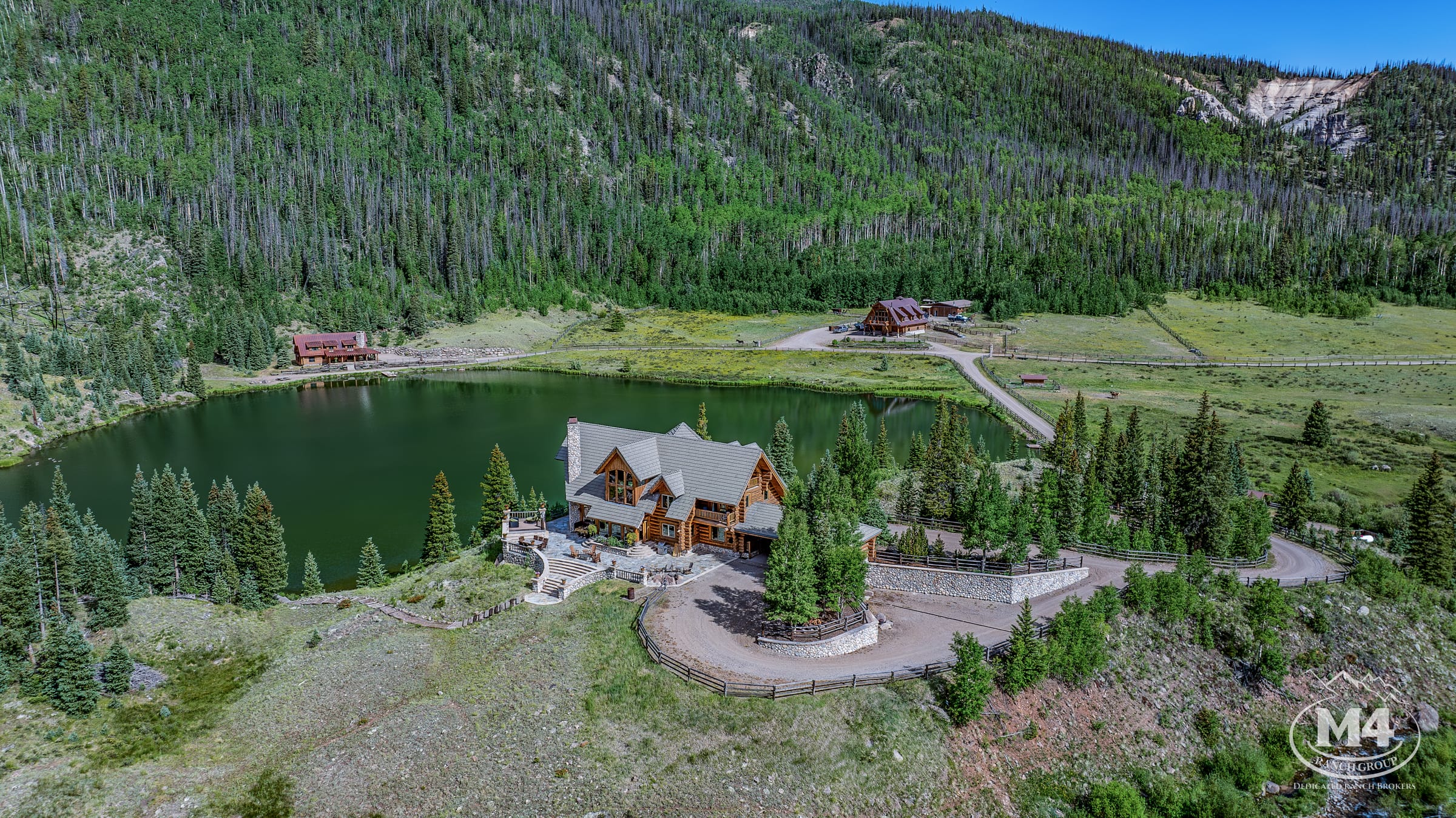
RMR Ranch is a 480± deeded acre private fishery centered around two 7±-acre lakes, over 3 miles of improved trout streams, and Red Mountain Creek flowing through the length of the property. With brown and rainbow trout, no public pressure, and owner-controlled water throughout the ranch, it offers a rare opportunity to enjoy and manage a true private Colorado fishery.
Ragged Spur Ranch
$15,900,000
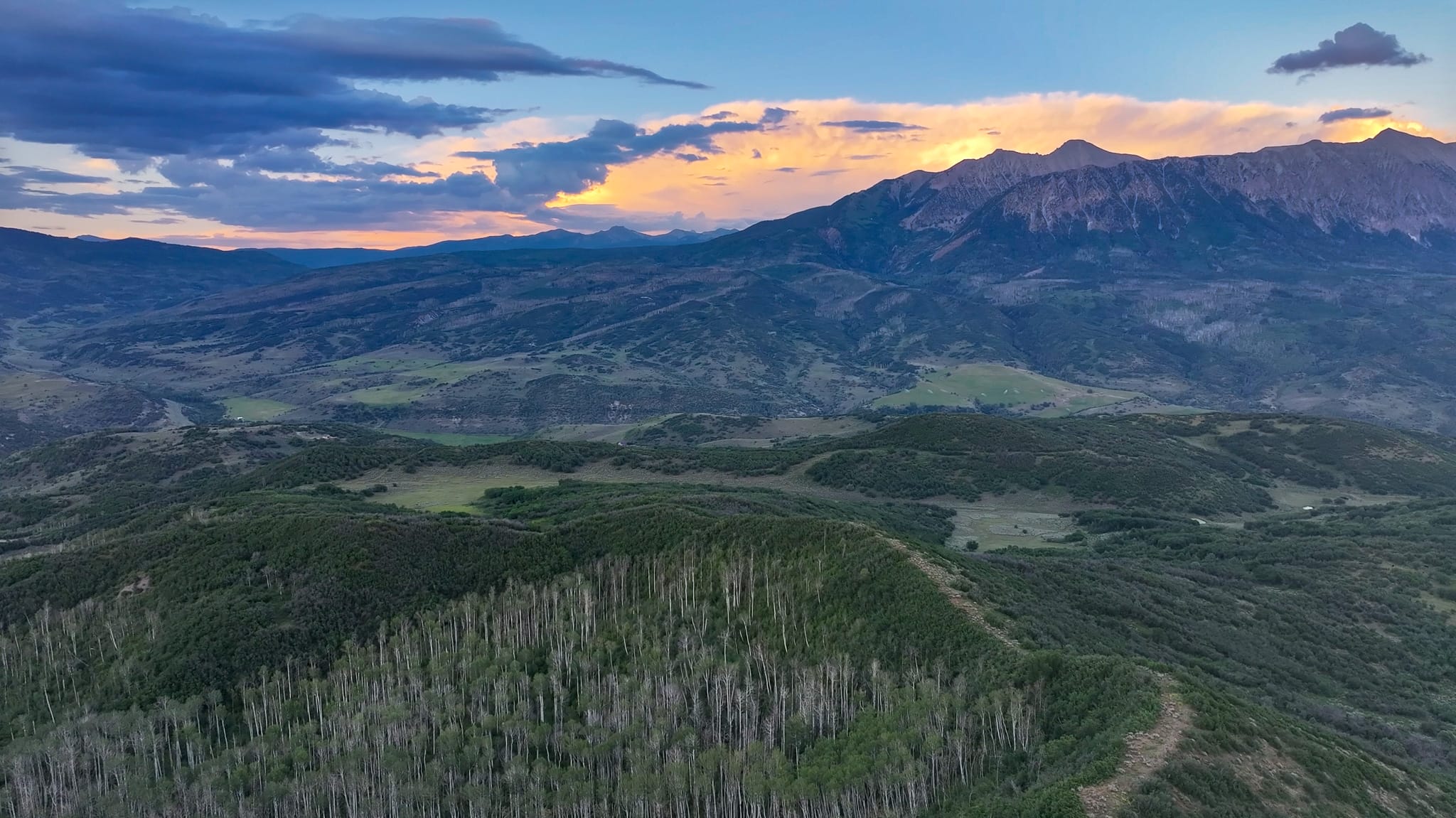
Ragged Spur Ranch encompasses 3,760± acres in Gunnison County with irrigated ground, historic water rights, and premier hunting in GMU 521. With creek frontage, public land borders, and year-round access, it’s a rare Western Slope ranch offering both recreation and productivity.